
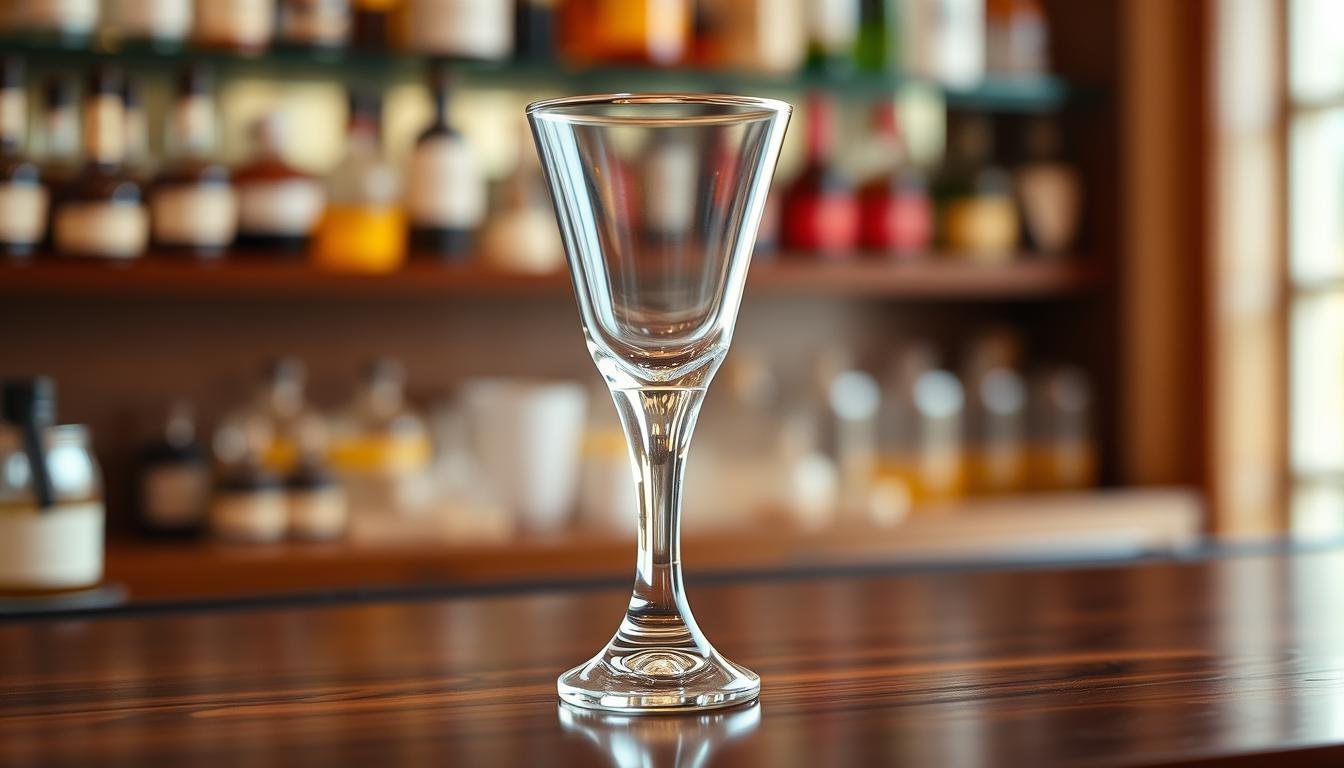
Mixing Glass selection determines whether your stirred cocktails achieve the perfect balance of temperature, dilution, and texture. The right glass gives you complete control over the mixing process.
Most home bartenders grab whatever glass they have on hand for stirring cocktails. This approach misses the precision that comes from using proper barware designed specifically for cocktail preparation.
By the end you will understand which mixing glass styles work best for different cocktails, what materials offer the best performance, and how to choose the right size for your home bar setup.
TL;DR
- Thick-walled glass provides better temperature control and prevents your hand from warming the cocktail during stirring.
- Crystal mixing glasses offer superior clarity and weight distribution for professional-level cocktail preparation.
- Japanese Yarai-style glasses feature diamond patterns that create better liquid flow during stirring.
- A 16-20 oz capacity handles most classic cocktail recipes without being too bulky for home use.
* As an Amazon Associate I earn from qualifying purchases at no extra cost to you.
Mixing Glass Types and Materials
Different mixing glass materials affect both the mixing process and the final cocktail quality. Understanding these differences helps you choose the right glass for your cocktail style.
Crystal Mixing Glasses
Crystal offers the highest quality mixing experience with its superior weight distribution and thermal properties. The density of crystal keeps cocktails colder longer during the stirring process.
Hand-cut crystal glasses often feature decorative patterns that serve a functional purpose. The cuts create turbulence in the liquid that helps achieve better mixing with fewer stir rotations.

Glass Construction
Standard glass mixing glasses provide excellent value and durability for regular home use. Look for thick-walled construction that won’t crack from temperature changes when you add ice.
Borosilicate glass handles thermal shock better than regular glass. This material resists breaking when you pour cold ingredients into a room-temperature glass.
Japanese Yarai Style
Yarai glasses feature a distinctive diamond-cut pattern that serves both form and function. The geometric cuts help direct liquid flow during stirring and create visual appeal.
These glasses typically use heavier glass construction than smooth-walled versions. The extra weight provides better stability and control during the stirring process.
Size and Capacity Guidelines
Mixing glass capacity affects both the stirring efficiency and the final cocktail quality. Too small limits your stirring motion while too large makes precise measurement difficult.
Standard Home Bar Sizes
A 16-20 oz mixing glass handles most classic cocktail recipes perfectly. This size provides enough room for proper stirring while keeping the proportions manageable for single servings.
Larger 24-32 oz glasses work better if you frequently make multiple cocktails at once. The extra space allows for batch preparation without compromising the stirring technique.
Professional vs Home Use
Commercial bartenders often prefer larger glasses for efficiency during busy service. Home bartenders benefit more from smaller glasses that encourage proper technique and portion control.
Consider your typical cocktail serving size when choosing capacity. A Manhattan requires less space than a Negroni due to the ingredient volumes involved.

Essential Features to Look For
Specific design elements make the difference between an adequate mixing glass and one that improves your cocktail-making skills. Focus on features that enhance both function and durability.
Wall Thickness and Weight
Thick walls provide better insulation and prevent your hand from warming the cocktail during stirring. Look for glasses with at least 3-4mm wall thickness for optimal temperature control.
Heavier glasses stay more stable on your work surface and feel more substantial during use. The weight also helps maintain consistent stirring rhythm and control.
Base Design and Stability
A weighted base prevents tipping during vigorous stirring and provides better overall balance. The base should be at least one-third the width of the glass rim for proper stability.
Flat-bottomed glasses work better than curved bases for most home bar setups. The flat surface sits securely on various counter materials without rocking.
Pouring Spout Integration
Some mixing glasses include integrated spouts for easier straining and pouring. While convenient, these features can complicate cleaning and aren’t necessary for quality cocktail preparation.
Traditional smooth-rim glasses work better with separate strainers. This approach gives you more control over the straining process and easier maintenance.
Cocktails That Require a Mixing Glass
Specific cocktail categories demand stirring rather than shaking to achieve the proper texture and temperature. Understanding which drinks require a mixing glass helps you use this tool correctly.
Spirit-Forward Classics
Manhattan, Martini, and Old Fashioned cocktails all benefit from gentle stirring in a mixing glass. These drinks contain primarily spirits and liqueurs that don’t require aggressive mixing.
The stirring process chills and dilutes these cocktails without introducing air bubbles. This technique preserves the smooth, silky texture that defines a well-made stirred cocktail.

Negroni and Bitter Cocktails
Negroni-style cocktails with equal parts spirits require precise dilution control that only stirring provides. Shaking these drinks creates unwanted foam and masks the bitter complexity.
Stirring allows the three components to integrate while maintaining their individual character. The slow dilution helps soften the bitter elements without overwhelming them.
Modern Stirred Variations
Contemporary bartenders create new stirred cocktails using the same principles as the classics. Drinks with aged spirits, vermouths, and bitter liqueurs typically work best when stirred.
Experimental cocktails with clarified citrus or fat-washed spirits also benefit from gentle stirring. These techniques preserve delicate flavors that shaking would destroy.
Perfect Stirring Technique
Proper stirring creates the ideal balance of temperature and dilution without compromising cocktail clarity.
- Hold the bar spoon between your thumb and first two fingers like a pencil.
- Keep the spoon bowl against the glass wall and stir in smooth circles.
- Count 30-40 rotations for most stirred cocktails to achieve proper chilling.
- Strain immediately after stirring to prevent over-dilution.
Maintenance and Care
Proper mixing glass care extends its lifespan and ensures optimal performance for every cocktail. Different materials require specific cleaning approaches to maintain clarity and prevent damage.
Daily Cleaning Routine
Rinse your mixing glass with warm water immediately after each use to prevent ingredient residue from setting. Avoid extreme temperature changes that can crack the glass.
Use mild dish soap and a soft cloth for regular cleaning. Abrasive materials can scratch the surface and create areas where bacteria and odors accumulate.
Deep Cleaning Methods
Weekly deep cleaning removes built-up oils and maintains crystal clarity. Fill the glass with warm water and a small amount of white vinegar for natural cleaning power.
For stubborn residue, use a mixture of coarse salt and ice as a gentle abrasive. Swirl the mixture around the glass to scrub away deposits without scratching.
Storage Considerations
Store mixing glasses rim-down on a clean towel to prevent dust accumulation and protect the rim from chips. Avoid stacking glasses directly on top of each other.
Keep glasses away from direct sunlight and heat sources that can cause thermal stress. A dedicated bar cabinet or open shelf works better than enclosed storage.
Quality mixing glasses pair perfectly with proper bar spoon techniques for professional-level cocktail preparation. Learning both tools together improves your overall bartending skills.
Consider exploring cocktail strainer options to complete your stirred cocktail setup and achieve restaurant-quality results at home.
According to Serious Eats, proper stirring technique requires understanding both the glass design and the physics of dilution control.
Frequently Asked Questions
What size mixing glass works best for home bartending?
A 16-20 oz mixing glass provides the ideal capacity for most home cocktail recipes while remaining manageable for single servings.
Should I choose crystal or glass for my mixing glass?
Crystal offers superior weight and thermal properties but costs more, while quality glass provides excellent performance for most home bartenders at a lower price point.
How do I prevent my mixing glass from cracking?
Avoid extreme temperature changes by letting the glass adjust to room temperature before adding ice, and choose thick-walled construction that handles thermal shock better.
What cocktails should never be made in a mixing glass?
Cocktails containing citrus juice, cream, or egg whites require shaking rather than stirring to properly integrate the ingredients and achieve the correct texture.
How long should I stir cocktails in a mixing glass?
Most stirred cocktails need 30-40 rotations or about 20-30 seconds of stirring to achieve proper chilling and dilution without over-mixing.
Final Thoughts
Mixing Glass selection impacts every stirred cocktail you make, from temperature control to final presentation quality.
Start with a quality 16-20 oz glass in crystal or thick-walled glass construction and practice proper stirring technique to see immediate improvement in your cocktails.


