
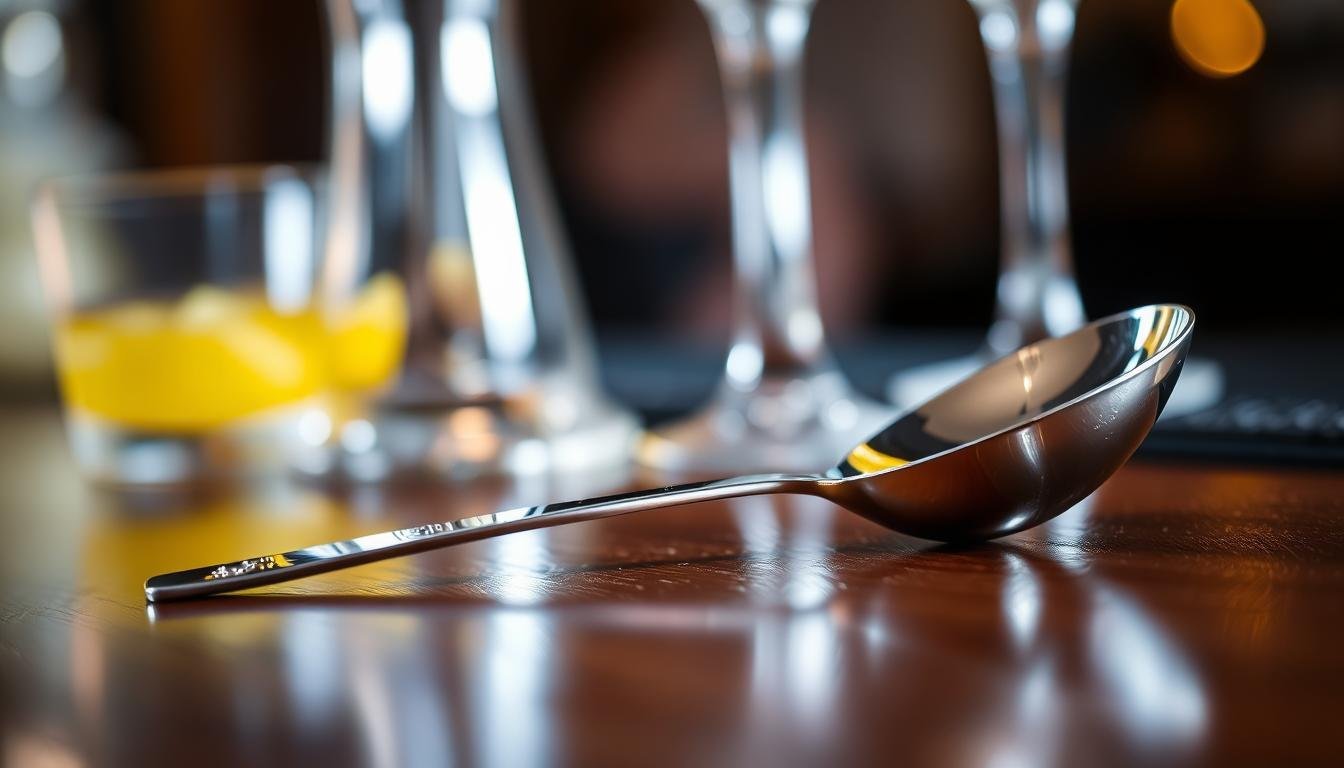
Best Bar Spoon options make the difference between amateur mixing and professional-quality cocktails at home. The right spoon gives you precise control over stirring, layering, and muddling techniques that transform ordinary drinks into exceptional ones.
Most home bartenders grab whatever long spoon they can find, missing the subtle design features that matter. A proper bar spoon has specific proportions, materials, and features that affect how your cocktails taste and look.
This guide covers everything you need to know about choosing and using bar spoons effectively. You will learn which style suits your mixing needs, what techniques produce professional results, and how to maintain your tools properly.
TL;DR
- The twisted handle provides smooth rotation for proper stirring without over-aerating cocktails.
- Stainless steel offers the best balance of durability, weight, and easy cleaning for home use.
- Length matters – 11-12 inches reaches the bottom of tall mixing glasses without awkward handling.
- The back-of-spoon technique creates clean layers in cocktails like Pousse Café and Tequila Sunrise.
* As an Amazon Associate I earn from qualifying purchases at no extra cost to you.
Best Bar Spoon Styles Compared
Bar spoons come in three main styles, each with distinct advantages for different mixing approaches. Understanding these differences helps you pick the right tool for your cocktail preferences.
American Style Bar Spoons
American bar spoons feature a simple twisted handle with a flat muddler disk on one end. The design prioritizes functionality over decoration, making these spoons workhorses for busy bars.
The twisted shaft provides excellent grip control during stirring motions. The flat muddler end works well for pressing mint, citrus, and other ingredients without tearing delicate herbs.
- Handle design – continuous twist from bowl to muddler end
- Muddler shape – flat disk perfect for pressing without damage
- Best for – classic American cocktails like Old Fashioneds and Mint Juleps
European Style Bar Spoons
European spoons often feature decorative elements like ornate handles or unique bowl shapes. They tend to be longer than American versions, sometimes reaching 13-14 inches.
The aesthetic focus does not compromise function – these spoons excel at layered cocktails and delicate stirring. The extra length helps when working with tall glasses or deep mixing vessels.
- Handle design – may include decorative twists or straight sections
- Length advantage – typically 1-2 inches longer than American spoons
- Best for – layered cocktails and European-style mixed drinks
Japanese Style Bar Spoons
Japanese bar spoons emphasize precision and balance above all else. The handles are often perfectly weighted to spin effortlessly between your fingers during stirring.
These spoons typically feature a teardrop or fork end instead of a flat muddler. The fork works well for garnish placement and stirring, while teardrops excel at layering techniques.

Essential Bar Spoon Techniques
Proper technique transforms a simple bar spoon into a precision instrument. These fundamental methods form the foundation of professional-quality cocktail preparation.
The Standard Stir
Hold the spoon between your thumb and first two fingers, letting it rest naturally in your grip. Insert the spoon until it touches the bottom of the mixing glass, then begin smooth circular motions.
The twisted handle should rotate freely as you stir – do not grip tightly or force the motion. Aim for 20-30 rotations for most stirred cocktails, adjusting based on the drink’s requirements.
Perfecting Your Stir Technique
Consistent stirring produces better cocktails than random mixing motions.
- Keep the spoon touching the glass bottom throughout the entire stir.
- Maintain steady rhythm – about one rotation per second works for most drinks.
- Stop stirring once you achieve proper dilution, usually 20-30 seconds.
Back-of-Spoon Layering
Layering creates visually stunning cocktails by floating different density liquids on top of each other. The bar spoon makes this technique accessible to home bartenders.
Position the spoon just above the existing liquid surface, curved side down. Pour the new ingredient slowly over the spoon’s back, letting it flow gently onto the layer below.
- Spoon position – hold steady just above the liquid surface
- Pour speed – very slow and controlled to prevent mixing
- Practice drinks – start with simple two-layer cocktails
Muddling with the Spoon End
The muddler end presses ingredients to release oils and flavors without destroying the texture. This gentle approach works better than aggressive crushing for most cocktails.
Press down firmly but do not twist or grind the ingredients. A few solid presses typically extract enough flavor without creating a muddy mess in your drink.

What to Look for When Buying a Bar Spoon
The right bar spoon feels balanced in your hand and performs consistently across different cocktail styles. Several key factors determine whether a spoon will serve you well for years.
Material Considerations
Stainless steel dominates the professional bar spoon market for good reasons. It resists corrosion, cleans easily, and provides the right weight for most mixing tasks.
Some specialty spoons use copper or gold plating for appearance, but these require more careful cleaning. Avoid plastic or lightweight metals that feel flimsy during use.
- Stainless steel – best all-around choice for durability and function
- Copper – attractive but requires special care to prevent tarnishing
- Gold-plated – decorative option that may wear over time
Length and Proportion
Standard bar spoons measure 11-12 inches, which works well for most home bar glasses. Longer spoons help with tall mixing glasses but can feel unwieldy for smaller drinks.
The bowl should hold about 1/2 teaspoon of liquid – large enough to be useful but small enough for precise measurements. Very large bowls make delicate layering more difficult.
Handle Design and Comfort
The twisted handle should feel comfortable during extended stirring sessions. Sharp edges or poorly finished twists can cause hand fatigue and affect your technique.
Test the spoon’s balance by holding it in stirring position – it should not feel front-heavy or back-heavy during normal use. Quality spoons distribute weight evenly throughout the length.
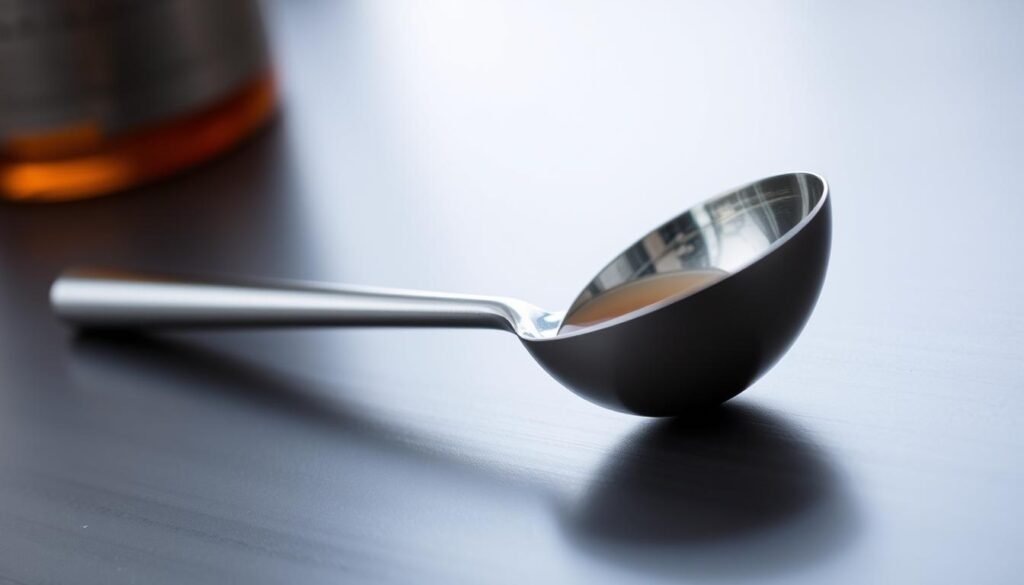
How Bar Spoons Affect Cocktail Quality
The right bar spoon controls dilution and maintains proper ingredient integration without over-aerating delicate cocktails. These factors directly impact the final taste and texture of your drinks.
Controlling Dilution Through Stirring
Proper stirring with a quality bar spoon provides just enough dilution to open up the flavors without watering down the drink. The twisted handle helps maintain consistent contact with ice throughout the mixing process.
Poor technique or inappropriate tools can result in under-diluted harsh cocktails or over-diluted weak ones. The bar spoon gives you precise control over this crucial element.
Preventing Over-Aeration
Stirred cocktails should be smooth and silky, not foamy or cloudy from excessive air incorporation. A proper bar spoon maintains gentle contact with the liquid throughout stirring motions.
This controlled approach preserves the cocktail’s intended texture while achieving proper ingredient integration. Mixing techniques that use appropriate tools produce noticeably better results.
Caring for Your Bar Spoon
Proper maintenance keeps your bar spoon performing well and looking professional for years of regular use. Simple cleaning habits prevent damage and maintain hygiene standards.
Daily Cleaning Routine
Rinse the spoon immediately after each use to prevent sticky residues from setting. Wash with warm soapy water, paying attention to the twisted handle grooves where ingredients can hide.
Dry thoroughly with a clean towel to prevent water spots on stainless steel surfaces. Air drying works but takes longer and may leave mineral deposits in hard water areas.
Storage and Organization
Store bar spoons in a way that protects the bowl and prevents the handle from getting scratched. A dedicated bar tool holder keeps spoons organized and easily accessible.
Avoid storing bar spoons loose in drawers where they can get damaged by other utensils. The long length makes them particularly vulnerable to bending if stored improperly.
For more detailed information on bar tools and techniques, check out Serious Eats’ comprehensive bar spoon guide.
Frequently Asked Questions
What length bar spoon works best for home bartenders?
An 11-12 inch bar spoon handles most home bar glassware perfectly without being too long to control easily.
Can I use a regular long spoon instead of a bar spoon?
Regular spoons lack the twisted handle and proper proportions needed for effective cocktail mixing and layering techniques.
How do I know when I have stirred a cocktail enough?
Most stirred cocktails need 20-30 rotations, which takes about 20-30 seconds of steady stirring motion.
What is the difference between American and Japanese bar spoons?
American spoons feature flat muddler ends while Japanese spoons often have teardrop or fork ends designed for precision layering work.
Should I buy multiple bar spoons or just one good one?
One high-quality stainless steel bar spoon handles all basic cocktail needs, though having a backup prevents interruptions during parties.
Final Thoughts
Best Bar Spoon selection comes down to choosing quality construction over flashy features that do not improve performance. A well-made stainless steel spoon with proper proportions serves you better than expensive specialty options.
Focus on mastering the basic techniques before investing in multiple spoons or advanced tools. The right bar spoon becomes an extension of your hand with practice, enabling classic cocktail preparation that rivals professional establishments.


